
Clinical knowledge · cats

Not all pain looks like limping.

In cats, changes in jumping, posture, grooming, interaction and behavior may be more informative than an obvious sign.

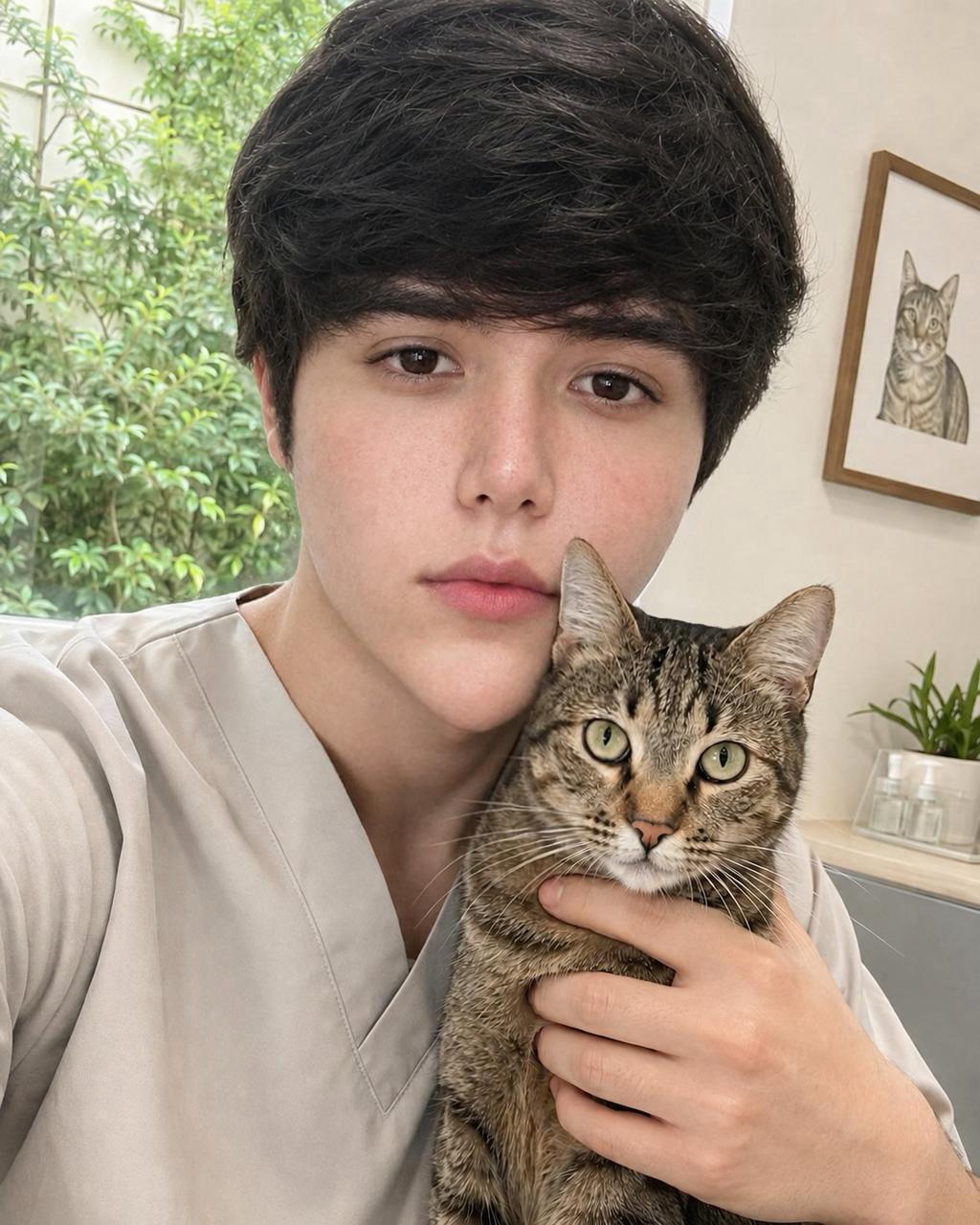
Cat in an everyday context for observing functional changes

The value of subtle changes

Cats may change how they use their environment, jump less, choose different surfaces or alter grooming habits. Comparing current behavior with their usual pattern helps reveal what has changed.

Context, frequency and progression

A single sign does not establish a diagnosis. Duration, repetition, intensity and the presence of other changes help structure the clinical assessment.

Recording can help

Short videos of the cat walking, rising, jumping or using stairs may complement the family’s report. They do not replace an examination, but they document function in the home environment.

References

Scientific and institutional reading

Reference sources for further reading. This page is educational and does not replace an individual clinical assessment.

Veterinary medical informationInterpretation, diagnostic testing and management depend on the individual patient.

Continuity of care

Frequent questions

Quick guidance for common recovery-care questions.

Does my pet need a surgical recovery suit?

It depends on the procedure, incision location and patient behavior. When indicated, the garment should stay clean, dry and properly fitted without compressing the wound. If the animal can still lick or bite the area, protection needs to be reassessed.

Does a recovery suit replace an Elizabethan collar?

Not always. The goal is to prevent access to the incision. In some locations or patients, a suit does not prevent licking or chewing, and a collar may still be necessary. Follow the protection recommended for that procedure.

How should I monitor the surgical wound?

Observe it without unnecessary handling. Increasing redness, swelling, discharge, foul odor, wound opening, bleeding or progressively increasing pain are reasons to contact the team. Serial photos can help when requested.

Can the incision get wet or can my pet have a bath?

Do not wet the surgical area or bathe your pet until specific clearance is given. Moisture can affect dressings, increase contamination risk and make wound assessment harder. If it gets wet accidentally, contact the team.

What should I do if I miss a medication dose?

Do not double the next dose on your own. The correct action depends on the medication, interval and how late the dose is. Check the patient instructions or contact the team before compensating for a missed dose.

Can I change the dose, schedule or stop a medication?

Not without veterinary guidance. Dose, interval and duration are part of the prescription. Do not add human medicines, anti-inflammatory drugs or supplements without confirmation because interactions or contraindications may exist.